
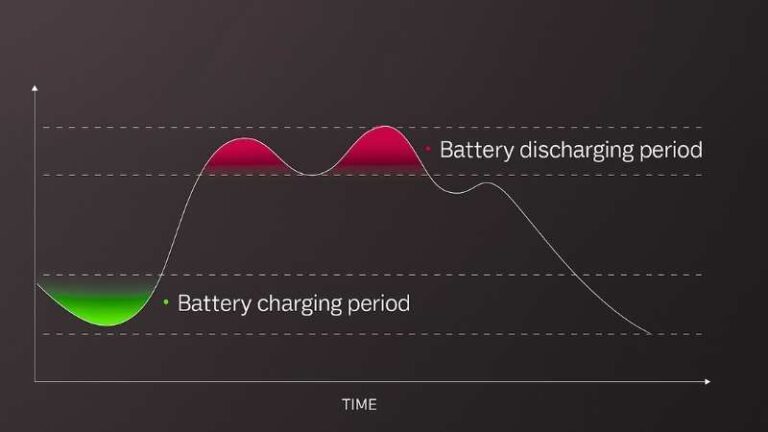
Rising electricity tariffs, time-of-use pricing, and increasing energy demand are forcing industrial facilities to rethink how and when they consume power. Industrial Energy Storage Systems (Industrial ESS / Industrial BESS) are increasingly deployed to enable load shifting and energy cost optimization, allowing factories to reduce electricity expenses without impacting production.
This article explains how industrial ESS supports load shifting, why it is a powerful cost-optimization tool, and why it is especially relevant for industrial operations in the Middle East.
Understanding Load Shifting in Industrial Facilities
Load shifting is the practice of moving electricity consumption from high-tariff periods to lower-tariff periods without changing production output.
In industrial environments, high electricity costs are often driven by:
- Time-of-use (TOU) tariffs
- Peak pricing during daytime or evening hours
- Simultaneous operation of high-power equipment
Industrial ESS enables facilities to store energy when electricity is cheaper and deploy it when grid power is expensive.
How Industrial Battery Energy Storage Enables Load Shifting
Industrial ESS operates as an energy buffer between the grid and factory loads.
The typical load shifting process involves:
- Charging batteries during off-peak or low-tariff hours
- Discharging batteries during peak or high-tariff periods
- Reducing grid energy consumption when electricity costs are highest
This strategy is managed automatically by the Energy Management System (EMS), ensuring seamless operation without manual intervention.
Key Benefits of Load Shifting Using Industrial ESS
Reduced Energy Costs
By avoiding high-tariff energy consumption, industrial ESS delivers direct and predictable electricity cost savings, especially for energy-intensive manufacturing plants.
Improved Energy Cost Predictability
Load shifting smooths energy expenses across billing cycles, helping industrial operators better forecast operating costs and manage budgets.
No Impact on Production Operations
Industrial ESS supplies power transparently in the background, ensuring production processes, machinery, and automation systems remain unaffected.
Optimized Grid Interaction
By reducing grid dependence during peak pricing periods, industrial facilities lower stress on electrical infrastructure and improve overall energy resilience.
Load Shifting vs Peak Shaving: Key Difference
While both strategies reduce energy costs, they serve different purposes:
- Peak shaving reduces maximum demand (kW)
- Load shifting reduces energy consumption during expensive periods (kWh)
Industrial ESS can support both simultaneously, maximizing financial returns from a single system.
Industrial ESS Architecture for Load Shifting Applications
A load-shifting industrial ESS typically includes:
- Battery energy storage system (BESS)
- Battery Management System (BMS)
- Power Conversion System (PCS)
- Energy Management System (EMS)
- Metering and load monitoring interfaces
System sizing depends on tariff structure, load profile, and duration of high-cost periods.
Integration with Renewable Energy Sources
Load shifting becomes even more effective when combined with onsite solar generation.
In solar-enabled factories:
- Excess solar energy is stored instead of exported or curtailed
- Stored energy is used during evening or peak tariff periods
- Overall renewable utilization is significantly improved
This approach enhances both energy cost optimization and sustainability performance.
Load Shifting in the Middle East Industrial Context
Industrial facilities in the Middle East increasingly face:
- Time-based electricity pricing
- High daytime cooling and process loads
- Rapid expansion of solar generation
- Grid capacity constraints in industrial zones
Industrial ESS enables manufacturers to respond proactively to these challenges by decoupling energy consumption from grid pricing patterns.
Economic Impact and Return on Investment
Load shifting is one of the most financially attractive applications of industrial battery energy storage.
Facilities with:
- Clear tariff differentials
- High and predictable load patterns
- Solar generation
often achieve short to medium payback periods, especially when load shifting is combined with demand charge reduction and backup power.
System Design and Control Strategy Considerations
Effective load shifting requires:
- Detailed tariff and billing analysis
- Accurate load profiling
- Proper battery sizing
- Intelligent EMS control logic
Poorly designed systems may underperform, making engineering and application analysis critical to success.
Conclusion
Industrial ESS for load shifting and energy cost optimization provides factories and industrial facilities with a powerful tool to reduce electricity expenses, improve energy predictability, and enhance operational resilience. By strategically storing and deploying energy, industrial battery storage enables smarter energy usage without compromising productivity.
As electricity pricing becomes more dynamic, load shifting using Industrial ESS will play an increasingly central role in industrial energy management strategies.
If you are exploring Industrial ESS or Industrial BESS solutions for load shifting and energy cost optimization, or want to evaluate potential savings for your facility, feel free to contact us [email protected] to discuss load analysis, tariff assessment, and system design.