Applications
Renewable Integration & Solar Energy Smoothing
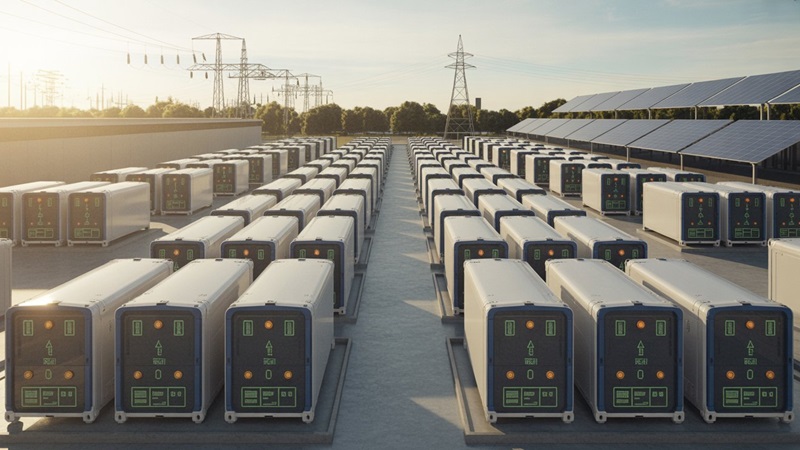
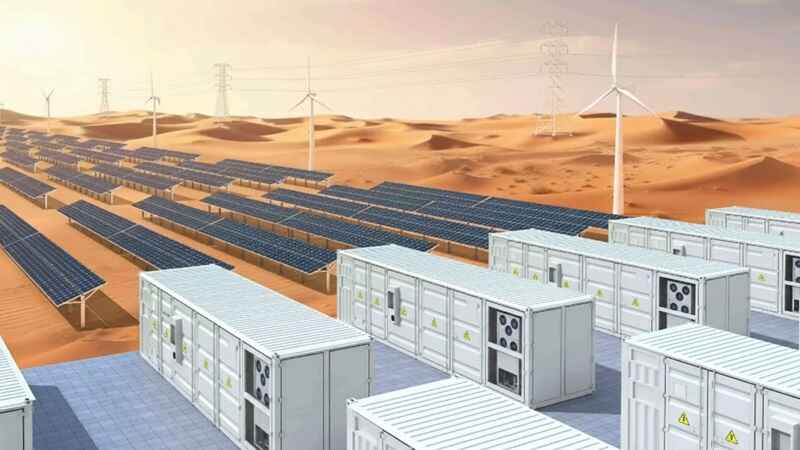
Modern renewable generation such as solar PV is inherently intermittent. Energy storage systems (ESS/BESS) store excess generation during peak production and discharge it when demand rises, enabling continuous green power supply and improving renewable utilization without grid dependency.
- Solar power capture and dispatch
- Smoothing output for fluctuating generation
- Reducing reliance on conventional generation
- Supporting net-zero energy targets

Peak Shaving & Load Management
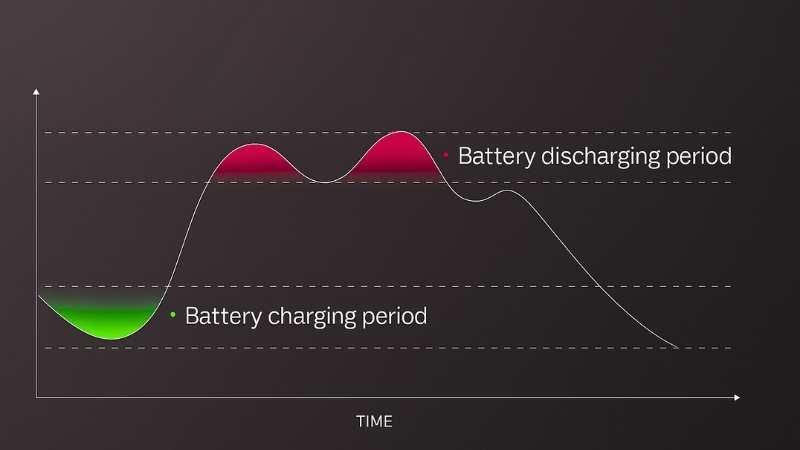
Energy storage systems help industrial facilities optimize electricity costs by charging during low-tariff periods and discharging during peak hours, reducing peak demand charges and minimizing operational expenditure.
- Reduces peak electricity demand costs
- Improves energy efficiency planning
- Supports intelligent energy scheduling
- Lowers operational energy bills

Backup Power & Operational Resilience
In critical marine and industrial settings, uninterrupted power is essential. ESS/BESS deliver clean, instantaneous backup power, reducing downtime risk during grid outages or generator failure and ensuring continuity for critical systems.
- Emergency power for safety systems
- Backup for control and monitoring infrastructure
- Silent operation during outages
- Instant power response during grid outages

Grid & Microgrid Support
Energy storage systems boost grid stability by providing ancillary services such as frequency regulation and voltage support. In remote or islanded operations, they enable microgrid deployment, balancing local generation with load demand.
- Autonomous operation during grid instability
- Frequency and voltage control
- Grid services for stability and reliability
- Seamless islanding and grid reconnection capability

Marine Energy Management
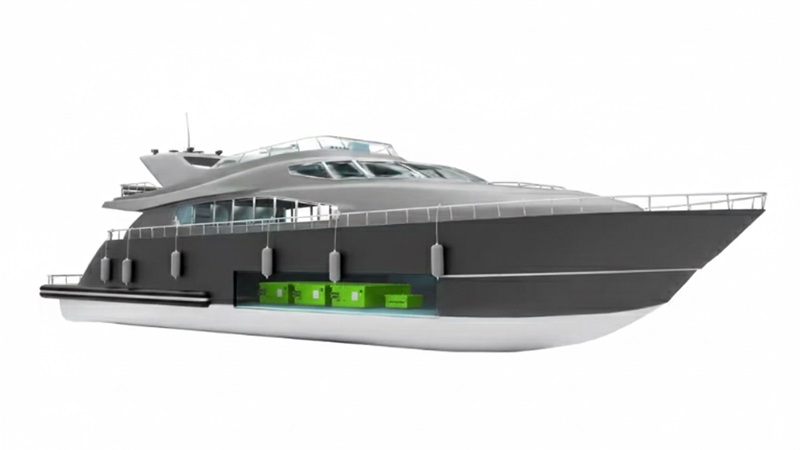
In maritime applications, ESS play a vital role in electric and hybrid vessel operation. Storage systems deliver peak propulsion power, supply auxiliary loads, and support harbor electrification to achieve zero-emission operations while reducing fuel consumption.
- Zero-emission berthing and docking
- Load sharing with generators for efficiency
- Silent auxiliary power supply
- Enhanced onboard energy control

EV Charging Support & High-Demand Loads
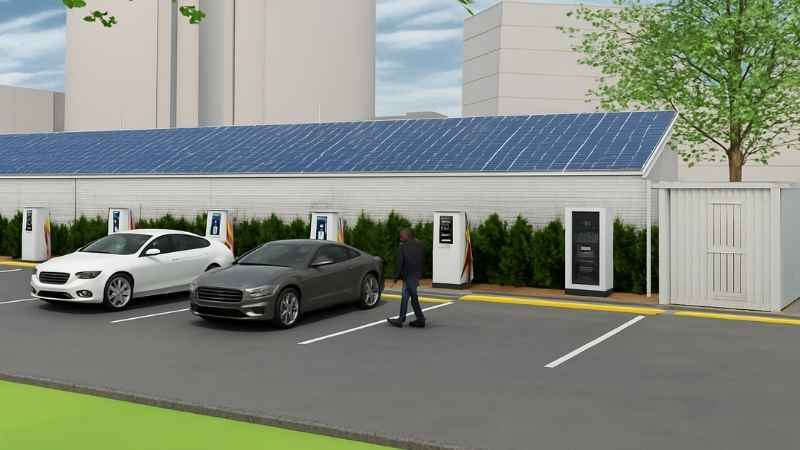
Large-scale battery storage supports high-power demands such as electric vehicle (EV) charging stations by smoothing power draws and reducing stress on local electrical infrastructure.
- Fleet charging depots
- Public fast charging sites
- Industrial EV operations
- Reduces grid stress during fast charging

Demand Response & Revenue Services
Integrated battery storage systems can participate in demand-response programs, discharging energy to the grid during peak demand and earning incentives or cost reductions for participants, transforming ESS from a cost saver to a revenue asset.
- Incentive participation with utilities
- Load shifting and dispatching for profit
- Enhanced grid interaction
- Automated dispatch based on grid signals

Energy Storage for Emergency Power Supply (EPS)
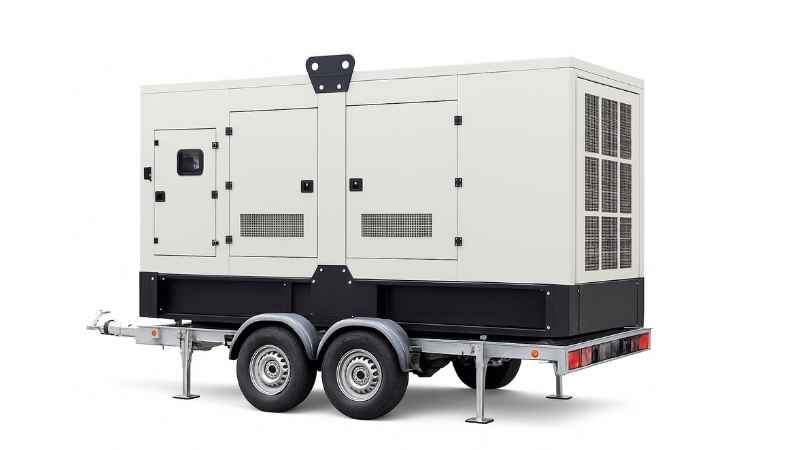
Energy storage systems provide instantaneous emergency power during grid failures, ensuring continuity for safety-critical and mission-critical operations without reliance on diesel generators.
- Immediate power availability during outages
- Support for safety, control, and monitoring systems
- Silent and emission-free emergency operation
- Reduced dependency on fuel-based backup systems

Energy Storage for Remote & Off-Grid Operations
In remote and off-grid locations, ESS enables reliable power supply by balancing local generation sources such as solar or generators, improving energy availability and system efficiency.
- Remote industrial facilities and camps
- Coastal and island infrastructure
- Temporary project sites and mobile operations
- Reduced fuel logistics and operating costs

Energy Storage for Power Quality & Voltage Stabilization
Battery energy storage systems enhance power quality by mitigating voltage fluctuations, frequency deviations, and transient disturbances, protecting sensitive equipment and improving system stability.
- Voltage and frequency regulation
- Protection of sensitive electrical equipment
- Reduced downtime due to power disturbances
- Improved overall system reliability