
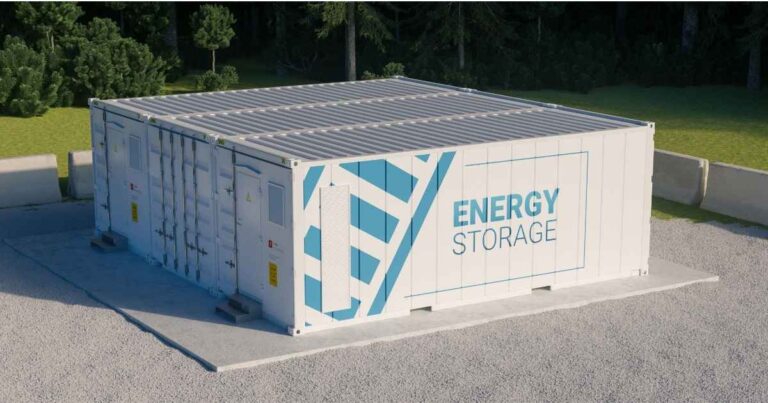
As energy costs rise and grid reliability becomes increasingly critical, industrial facilities are turning to Behind-the-Meter (BTM) Energy Storage Systems to gain greater control over power usage, costs, and operational continuity. Industrial ESS deployed behind the meter allows factories and infrastructure facilities to manage energy independently of the utility grid.
This article explains what behind-the-meter energy storage is, how industrial ESS functions in BTM applications, and why it is gaining strong adoption across manufacturing and industrial sectors, particularly in the Middle East.
What Is Behind-the-Meter Energy Storage?
Behind-the-meter energy storage refers to battery energy storage systems installed on the customer side of the electricity meter, rather than as part of the utility grid.
In industrial settings, BTM ESS is:
- Owned or controlled by the facility operator
- Installed within factory premises or nearby infrastructure
- Directly integrated with internal electrical systems
This contrasts with front-of-the-meter systems, which are owned and operated by utilities for grid-level services.
Why Industrial Facilities Choose Behind-the-Meter ESS
Industrial energy users face challenges such as:
- High peak demand charges
- Volatile electricity tariffs
- Grid disturbances and outages
- Increasing sustainability requirements
Behind-the-meter ESS enables facilities to actively manage these challenges by using stored energy when it is most valuable.
Key Applications of Behind-the-Meter Industrial ESS
Peak Demand Control and Cost Reduction
One of the most common BTM applications is peak shaving. The battery supplies power during short-duration demand peaks, reducing maximum grid draw and lowering demand charges.
This application delivers immediate and measurable cost savings for energy-intensive factories.
Backup Power and Power Quality Support
Behind-the-meter ESS provides instantaneous backup power during grid interruptions. Unlike conventional generators, batteries respond without delay, protecting sensitive industrial equipment and control systems.
BTM ESS also improves:
- Voltage stability
- Power quality
- Protection against short grid disturbances
Load Shifting and Tariff Optimization
Industrial ESS enables load shifting, where energy is stored during low-tariff periods and used during high-tariff hours. This improves energy cost predictability and reduces dependence on peak grid supply.
This application is especially relevant in regions with time-of-use pricing or demand-based tariffs.
Integration with Onsite Renewable Energy
Many industrial facilities install solar photovoltaic systems to reduce energy costs. Behind-the-meter ESS allows excess renewable energy to be stored and used when production demand is high.
This improves renewable utilization, reduces curtailment, and supports sustainability targets without disrupting factory operations.
Industrial ESS Architecture in Behind-the-Meter Applications
A typical BTM industrial ESS includes:
- Battery racks and enclosures
- Battery Management System (BMS)
- Power Conversion System (PCS)
- Energy Management System (EMS)
- Thermal management and safety systems
The system is designed for stationary operation, continuous cycling, and integration with factory electrical infrastructure.
Safety and Compliance Considerations
Behind-the-meter ESS installations must comply with:
- Industrial electrical standards
- Local fire and safety regulations
- Utility interconnection requirements
Proper system design, enclosure selection, and safety architecture are critical for reliable long-term operation within industrial environments.
Behind-the-Meter ESS in the Middle East
Industrial ESS adoption in the Middle East is driven by:
- High energy consumption in manufacturing
- Rising electricity tariffs
- Rapid solar deployment
- Grid capacity constraints in certain regions
BTM ESS offers industrial operators greater energy independence and resilience while supporting regional sustainability initiatives.
Economic Benefits and ROI
Behind-the-meter ESS delivers value through:
- Reduced demand charges
- Lower energy procurement costs
- Avoided production downtime
- Improved power quality
When properly sized and operated, industrial ESS provides strong return on investment, particularly for facilities with high peak loads or renewable generation.
Conclusion
Behind-the-meter energy storage empowers industrial facilities to take control of their energy usage, costs, and reliability. By deploying Industrial ESS behind the meter, factories can optimize power consumption, reduce grid dependence, and enhance operational resilience.
As energy systems become more complex, behind-the-meter ESS is becoming a strategic asset for modern industrial operations.
If you are considering Behind-the-Meter Industrial ESS or Industrial BESS solutions for your facility, you may contact Advandyn, [email protected] to discuss application feasibility, system sizing, and implementation strategies.