
Introduction
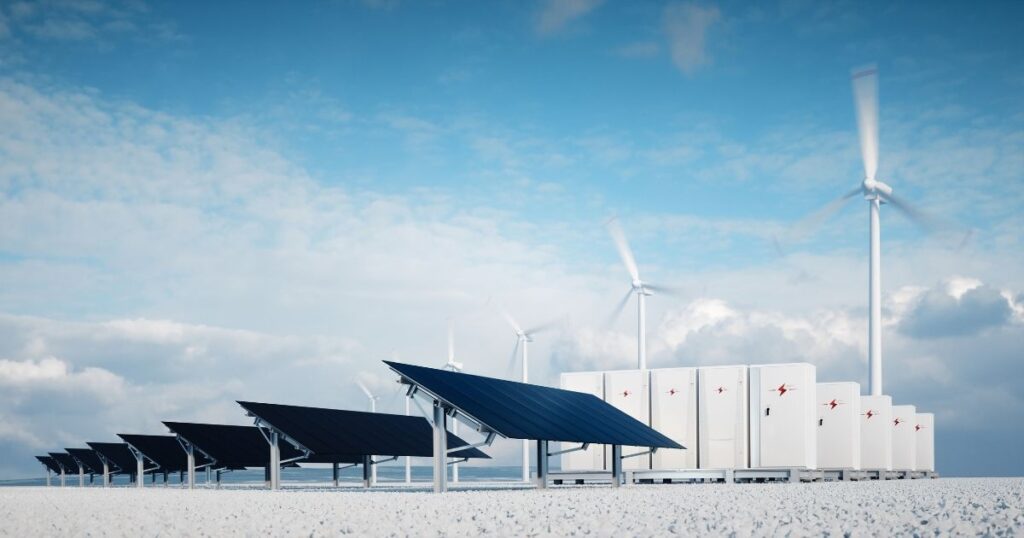
Renewable energy sources such as solar and wind are central to global decarbonization strategies. However, their intermittent nature creates challenges for grid stability, energy reliability, and operational efficiency. Energy Storage Systems (ESS) play a critical role in overcoming these challenges by enabling effective renewable energy integration across marine, industrial, and utility applications.
This article explains how ESS enables renewable energy integration, the technical mechanisms involved, and why battery energy storage systems (BESS) are essential for modern energy infrastructure.
The Challenge of Renewable Energy Integration
Renewable energy generation is inherently variable:
- Solar power depends on daylight and weather conditions
- Wind power fluctuates with wind speed and availability
- Grid demand rarely aligns with renewable generation peaks
Without energy storage, excess renewable power is curtailed or wasted, while conventional generators must still operate to maintain grid stability.
Role of ESS in Renewable Energy Systems
1. Energy Time-Shifting
Energy Storage Systems store excess renewable energy during peak generation and discharge it during high demand or low generation periods.
This process, known as energy time-shifting, allows:
- Increased renewable utilization
- Reduced curtailment losses
- Improved energy availability during non-generation hours
ESS enables solar-plus-storage and wind-plus-storage configurations that deliver predictable, dispatchable power.
2. Grid Stability and Power Quality
Battery Energy Storage Systems (BESS) provide fast-response grid support services, including:
- Frequency regulation
- Voltage stabilization
- Reactive power support
These capabilities help stabilize grids with high renewable penetration, where traditional rotating generators are reduced.
3. Renewable Firming and Smoothing
ESS smooths short-term fluctuations in renewable output caused by cloud cover or wind variability. This process, known as renewable firming, ensures:
- Stable power output
- Reduced stress on grid infrastructure
- Improved reliability for industrial and commercial users
This is particularly critical in industrial ESS and utility-scale BESS deployments.
4. Microgrids and Islanded Operations
In remote locations, ports, islands, and industrial facilities, ESS enables renewable-based microgrids.
Key benefits include:
- Reduced reliance on diesel generators
- Seamless islanding during grid outages
- Optimized hybrid operation with solar, wind, and generators
ESS acts as the central control and balancing element in these systems.
5. Peak Shaving and Energy Cost Optimization
By combining renewable generation with ESS, facilities can:
- Store low-cost renewable energy
- Reduce peak grid demand
- Lower energy tariffs and demand charges
This makes renewable investments economically viable while improving overall energy efficiency.
ESS for Renewable Integration in Marine and Coastal Applications
In marine and coastal environments, ESS enables:
- Shore power systems powered by renewable energy
- Zero-emission port operations
- Hybrid marine power systems combining solar, ESS, and generators
Marine ESS supports decarbonization while maintaining operational reliability in harsh environments.
ESS and Renewable Energy in the Middle East
The Middle East is rapidly expanding solar capacity, creating a strong demand for energy storage solutions to manage intermittency and grid stability.
ESS supports:
- Large-scale solar plants
- Industrial solar-plus-storage systems
- Grid stabilization in high-temperature environments
Battery Energy Storage Systems are becoming a critical enabler of national energy transition strategies across the region.
Technical Capabilities of ESS for Renewable Integration
Modern ESS platforms include:
- Advanced Battery Management Systems (BMS)
- Energy Management Systems (EMS)
- High-efficiency power conversion systems
- Modular and scalable architecture
These technologies ensure safe, reliable, and optimized renewable energy utilization.
Why ESS Is Essential for a Renewable Future
Without energy storage, renewable energy remains limited by intermittency and grid constraints. ESS transforms renewable generation into a reliable, controllable energy resource, enabling:
- Higher renewable penetration
- Improved energy security
- Reduced emissions
- Long-term energy cost optimization
ESS is no longer optional—it is a core component of modern energy systems.
Conclusion
Energy Storage Systems are the backbone of successful renewable energy integration. From industrial facilities and utilities to marine and coastal infrastructure, ESS enables clean energy to be stored, managed, and deployed efficiently.
As renewable capacity continues to grow, ESS and BESS will remain central to sustainable, reliable, and future-ready energy systems.
Talk to Advandyn
Looking to integrate renewable energy with advanced ESS or BESS solutions?
 Contact Advandyn:
[email protected]