
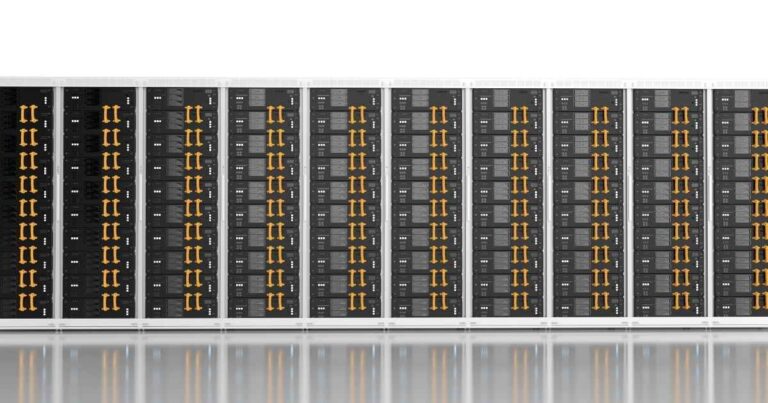
Reliable operation of Marine Battery Energy Storage Systems (Marine BESS / Marine ESS) depends not only on system design, but also on proper maintenance and disciplined operational practices. Unlike conventional marine equipment, battery systems require continuous monitoring, data-driven decision-making, and adherence to defined operating limits to ensure safety and long-term performance.
For vessels operating in demanding environments—particularly in hot and high-utilization regions such as the Middle East—structured maintenance and operational strategies are essential for maximizing system availability and lifecycle value.
Importance of Proper Maintenance in Marine ESS
Marine ESS installations are safety-critical systems. Poor maintenance or improper operation can lead to:
- Accelerated battery degradation
- Reduced usable capacity
- Increased safety risk
- Unexpected downtime
- Higher lifecycle costs
Establishing best practices from commissioning through daily operation helps ensure safe, reliable, and predictable system behavior.
Routine Monitoring and System Health Checks
Continuous monitoring is the foundation of effective Marine BESS operation.
Key parameters to monitor include:
- Cell and module temperatures
- Voltage distribution across strings
- State of Charge (SoC)
- State of Health (SoH)
- Charge and discharge rates
- Alarm and event logs
Most modern Marine ESS platforms provide centralized dashboards through the Battery Management System (BMS) and vessel automation systems.
Battery Management System (BMS) as a Maintenance Tool
The BMS is not only a safety device—it is also a powerful maintenance tool.
Best practices include:
- Regular review of BMS logs and alarms
- Tracking SoH trends over time
- Identifying imbalance or abnormal behavior early
- Verifying correct response to simulated fault conditions
Using BMS data proactively enables predictive maintenance rather than reactive intervention.
Thermal System Inspection and Maintenance
Thermal management systems play a major role in battery longevity.
Maintenance best practices include:
- Inspecting cooling circuits, pumps, and fans
- Verifying coolant flow and temperature stability
- Checking for blockages or leaks
- Ensuring redundancy systems are operational
In Middle East operating conditions, thermal system performance should be reviewed frequently during peak summer periods.
Electrical System and Safety Checks
Electrical safety systems must remain fully functional throughout the ESS lifecycle.
Key checks include:
- DC contactors and circuit breakers
- Insulation monitoring devices
- Ground fault detection systems
- Emergency shutdown circuits
- Interlocks and isolation mechanisms
Routine testing ensures faults are detected and isolated before escalation.
Operational Best Practices for Battery Longevity
Battery life is strongly influenced by how the system is operated.
Recommended operational practices include:
- Maintaining batteries within defined SoC operating windows
- Avoiding prolonged operation at extreme SoC levels
- Limiting unnecessary high-power transients
- Coordinating battery usage with generator operation
- Allowing controlled rest periods where possible
Energy Management Systems (EMS) help automate these strategies.
Managing Idle Periods and Standby Operation
Marine vessels often experience extended idle or standby periods.
During idle operation:
- Maintain optimal SoC levels
- Avoid prolonged full-charge conditions
- Monitor ambient and battery temperatures
- Ensure cooling systems remain active if required
Proper standby management reduces degradation during non-operational periods.
Documentation, Training, and Crew Awareness
Effective Marine ESS operation requires trained personnel.
Best practices include:
- Clear operating procedures and manuals
- Crew training on ESS behavior and alarms
- Defined emergency response procedures
- Regular drills involving ESS fault scenarios
Crew awareness is a critical element of overall system safety.
Scheduled Inspections and Lifecycle Planning
In addition to routine monitoring, structured inspections should be planned at defined intervals.
These may include:
- Visual inspection of battery enclosures
- Verification of sensor accuracy
- Functional testing of safety systems
- Review of degradation trends and performance metrics
Lifecycle planning should account for gradual capacity fade and future replacement strategies.
Middle East Operating Considerations
Marine ESS installations in the Middle East require additional attention due to:
- High ambient temperatures
- Continuous duty cycles
- High operational availability requirements
Systems designed and operated with conservative margins, strong thermal control, and disciplined maintenance practices deliver superior reliability in these conditions.
Conclusion
Maintenance and operational best practices are essential to unlocking the full value of Marine Battery Energy Storage Systems. Through continuous monitoring, disciplined operation, and proactive maintenance, Marine ESS can deliver safe, reliable, and cost-effective performance throughout its service life.
As marine electrification expands, operational excellence will be as important as system design in ensuring successful Marine BESS deployments.
If you are operating or planning a Marine ESS or Marine BESS installation and would like support on maintenance strategies, system optimization, or lifecycle planning, you may feel free to reach Advandyn at [email protected] for technical discussions.